
If you or a loved one is grappling with sleep apnea, you understand the toll it can take on daily life—from fatigue to more severe health issues, it can limit your ability to live life to the fullest. At Lake Forest Smiles, we want you to know that there are effective, comfortable solutions to help you and your family enjoy restful nights and vibrant days.
There are two main types of sleep apnea:
Central Sleep Apnea: A less common type, where the brain fails to send the proper signals to the muscles that control breathing.
Obstructive Sleep Apnea (OSA): The most common type, occurring when the muscles in the throat relax excessively during sleep, leading to a temporary blockage of the airway.
The Dangers of Obstructive Sleep Apnea
Obstructive sleep apnea (OSA) is a condition where the tongue and soft palate collapse into the throat during sleep, disrupting airflow and causing a series of apneic episodes.
These interruptions in breathing can happen without your awareness, leading to fragmented sleep and low oxygen levels. The consequences can be severe, contributing to chronic fatigue, cardiovascular issues, and a host of other health concerns.
Symptoms of Sleep Apnea
Recognizing the symptoms of OSA is crucial. If you or a family member experiences any of the following, it’s time to consider a sleep apnea screening:
- Chronic fatigue
- Morning headaches
- Dry mouth
- Chronic irritability
- Snoring
- Depression
- Difficulties with memory and concentration
- Unexplained weight gain
- Gastroesophageal Reflux Disease (GERD)
Our dentists offer comprehensive screenings and airway evaluations to assess the risk of sleep-disordered breathing, and our team can work with your sleep specialist to determine the best course of action.

How Does Sleep Apnea Affect My Oral Health?
Untreated sleep apnea can have several negative impacts on your oral health. Some of the potential dental complications include:
- Dry Mouth: People with sleep apnea often breathe through their mouths while sleeping, leading to dry mouth, which increases the risk of tooth decay, gum disease, and bad breath.
- Teeth Grinding (Bruxism): Many sleep apnea sufferers grind or clench their teeth during sleep, which can wear down the enamel, cause jaw pain, and lead to temporomandibular joining (TMJ) disorders.
- Gum Disease: Chronic mouth breathing and dry mouth can cause gum irritation and increase the risk of gum disease, leading to swollen or bleeding gums.
- Increase Risk of Tooth Decay: A dry mouth environment allows harmful bacteria to thrive, increasing the likelihood of cavities and dental infections.
The Role of Your Dentist in Treating Sleep Apnea
While sleep apnea is typically diagnosed by a sleep specialist, our trained dental team plays an important role in identifying potential symptoms and offering treatment solutions. If you’re experiencing symptoms like chronic snoring, dry mouth, or waking up frequently during the night, a dentist can evaluate your condition and help you determine the best course of action.
Sleep Apnea Treatment Approach at Lake Forest Smiles
When it comes to treatment, the options are as diverse as the families we serve. Lifestyle adjustments, weight management, and exercise can contribute to overall sleep quality, but in many cases, appliance therapy is also necessary.
Sleep Testing
We offer sleep testing that you can take home right from our office and complete in your own bed. You don’t have to go to a sleep study center in most cases. Once we have the results, we move on to solutions.
Review Results with Trusted Providers
All of our doctors have experience in airway dentistry and sleep apnea treatments. They will review your results and suggest the next steps.
Variety of FDA-Approved Options
With approximately 40 oral appliances FDA-approved for the treatment of snoring and sleep apnea, patients have a wide range of options.
Expert Selection and Fitting
All of our oral appliances are custom-fitted to your smile, increasing your comfort during your improved nights of sleep.
Learn More About Our ProSumnus Appliances
To better support your sleep apnea treatments, we offer two options for custom-made sleep apnea appliances. We believe that sleep apnea appliances can help you improve your sleep without disrupting other aspects of your rest.
Both of our offered appliances are FDA-approved. We recommend them based on the kinds of sleep apnea you are struggling with, along with the severity.
The EVO oral appliance is a custom-fabricated oral appliance that is created using 3D milling. This means it is entirely fit to your mouth. We take digital impressions for the ultimate comfort and then print them in a lab.
EVO oral appliances have a comfortable fit that doesn’t place pressure on your tongue or mouth for improved nighttime comfort. You can also adjust how far it opens your airway, allowing you to progress through different levels as your airway adjusts and opens. It’s easy to get both the oral appliance and the adjustable arches for your airway right from our Lake Forest office.
When you use a ProSumnus EVO appliance, you can expect easy transportability, with no masks or hoses. They are the perfect solution for light to moderate sleep apnea, with proven results and efficiency.
The RPMO₂ oral appliance does all that the EVO appliance does, improving your sleep while managing airway collapse, but there is one key difference. The RPMO₂ oral appliance also offers continuous SpO₂ and pulse rate monitoring throughout your night of sleep.
The data from your oral device is transmitted right to your smartphone and to our doctors, so you and your team can track the effectiveness of your sleep apnea treatment.
The added technology doesn’t add extra bulk or discomfort to your OSA device, so you can expect better information regarding your sleep health while still comfortably improving it each night.
Personalized Sleep Apnea Appliances for Better Comfort & Sleep
Our custom ProSomnus oral sleep apnea appliances are designed to provide a personalized alternative to traditional CPAP therapy. Every appliance is custom-made to fit your unique smile and needs, including options for patients who are claustrophobic, have received porcelain veneers, or require a more specialized approach for comfort and protection. Benefits of our sleep apnea appliances:
- Comfortable Design: Fully customized ProSomnus EVO and EVO Guided appliances designed for maximum comfort, thanks to its user-friendly design.
- Ease of Use: This appliance combines the standard benefits of oral appliances, such as ease of use, with customized design to open your airway without restricting jaw movement.
- Contoured Edges: The contoured edges are specifically designed to avoid irritation, ensuring a more accommodating fit throughout the night.
- Lower Profile: Its lower profile enhances jaw muscle comfort, significantly reducing the strain often associated with other sleep apnea devices.
- Increased Tongue Room: The appliance offers more space for the tongue, contributing to the overall comfort and fit of the device.
- Effective Airway Management: By holding your lower jaw forward, the lightweight appliance helping keep your airway open for better sleep.
Choosing Oral Appliance Therapy Over CPAP Machines
Effectiveness
In most patients with mild to moderate sleep apnea, oral appliances perform equally to or sometimes better than a CPAP machine. The decision to use an oral appliance or switch to an oral appliance is not just about convenience. It is about taking steps for the most effective sleep apnea care, with reduced disruptions to your sleep and your daily life.
Convenience
Oral appliances are much more convenient than a CPAP machine. You take them in a small case wherever you go, making travel easier. They don’t require water, and they don’t need to be checked by TSA.
There are no tubes or masks, so even when you are at home, your sleep is much more comfortable on a day-to-day basis, which can, on its own, improve the quality of your sleep significantly compared to CPAP machines.
Lower Cost Care
Over the course of just a couple of years, mouth guards for sleep apnea cost our patients much less than CPAP machines and their related care and costs. We want our patients to save money where possible while still enjoying improved rest.

Upper Airway Resistance Syndrome
Symptoms of UARS
Upper Airway Resistance Syndrome symptoms are similar to those of OSA but are generally less severe. Unlike sleep apnea, UARS doesn’t typically involve significant pauses or decreases in breathing.
Causes of UARS
UARS arises due to various factors including loose or relaxed fatty tissue in the throat that collapses, narrowed airways, and the tongue falling back and obstructing the throat. These factors make breathing more challenging during sleep, leading to disrupted sleep patterns.
Diagnosis
If you exhibit UARS symptoms, a polysomnogram (sleep study) is typically conducted. During this test, various parameters are monitored, including brain waves, blood oxygen levels, heart rate, and eye/leg movements. This helps assess the extent of sleep disruption and aids in determining the appropriate treatment plan.
Treatment
One common treatment to manage UARS is Positive Airway Pressure (PAP) therapy, which involves wearing a special Continuous Positive Airway Pressure (CPAP) mask while sleeping, and the machine gently blows air into your upper airway to keep it open and allowing regular breathing.
Oral appliances can also serve as effective treatments for UARS. These devices, worn during sleep, can prevent soft tissue collapse in the airway, serving as alternatives to PAP devices. Our experienced team at Lake Forest Smiles can guide you through the process of selecting the most suitable treatment option for your specific needs, ensuring a restful night’s sleep and improved overall health.
Why Address Sleep Apnea?

Sleep apnea is a common sleep disorder that can disrupt your sleep, affect your overall health, and even put you at risk for serious conditions like heart disease, stroke, and diabetes. Treating sleep apnea not only improves your quality of life but also protects your health as well!
Here are a few reasons why seeking treatment is essential:
- Better Oral Health: Treating sleep apnea reduces the likelihood of developing dental problems such as gum disease, tooth decay, and tooth wear due to grinding.
- Improved Sleep Quality: With proper treatment, you can achieve deeper, more restorative sleep, which enhances your overall health and happiness.
- Reduced Risk of Health Complications: Managing sleep apnea lowers your risk of serious health conditions such as heart disease, hypertension, and stroke.

Why Choose Lake Forest Smiles for Sleep Apnea Treatment
At Lake Forest Smiles, we understand that sleep apnea is not just a sleep disorder– it’s a condition that can impact your overall health, well-being, and quality of life. Whether you’ve already been diagnosed with sleep apnea or suspect you may have it, we are here to offer personalized, effective, and compassionate care to help you sleep better and live healthier!
At Lake Forest Smiles, we provide:
- Expert care from a trusted dental team
- Comprehensive sleep apnea evaluations
- Custom-fitted oral appliances for sleep apnea
- Collaborative care with sleep specialists
- Comfort and convenience
- Non-invasive, effective treatment options
- Ongoing support and follow-up
At Lake Forest Smiles, we are dedicated to helping you achieve a restful night’s sleep, so you can wake up feeling your best every day!
We also offer airway dentistry that can help address the cause of sleep apnea. Our airway dentistry utilizes orthodontic therapy, TENs machines, and myofunctional stretches to help you breathe properly.
Lifestyle Changes to Help Manage Sleep Apnea
While medical treatments like CPAP therapy and oral appliances are effective, making positive lifestyle changes can also help reduce the severity of sleep apnea and improve your quality of life.
At Lake Forest Smiles, we are committed to helping you manage sleep apnea not just with dental solutions but also by guiding you toward healthier habits that can support your treatment. Below are some lifestyle changes that may help you sleep better and breathe easier at night:
- Get Regular Exercise: Regular physical activity can help reduce the severity of sleep apnea symptoms by improving muscle tone, reducing inflammation, and promoting weight loss. Exercise also supports overall health, making it easier for your body to manage sleep apnea and other health conditions.
- Maintain a Healthy Weight: One of the most effective lifestyle changes you can make to manage sleep apnea is losing weight, particularly if you are overweight or obese. Excess weight, especially around the neck area, can increase the likelihood of airway obstruction while you sleep, making it harder to breathe.
- Avoid Alcohol and Sedatives: Alcohol, sedatives and certain medications can relax the muscles in your throat, making your airway more likely to collapse while you sleep. This can worsen the symptoms of sleep apnea, including snoring and apnea.
- Sleep on Your Side, Not Your Back: For many people with sleep apnea, sleeping on their back can cause the tongue and soft tissues in the throat to collapse, leading to airway obstruction. Sleeping on your side can help reduce the frequency of apneas and snoring.
- Manage Allergies or Nasal Congestion: Chronic nasal congestion or allergies can worsen sleep apnea symptoms by making it more difficult to breathe through your nose during sleep. This can lead to mouth breathing, dry mouth, and increased risk of airway collapse.
Frequently Asked Questions About Sleep Apnea
The diagnosis and treatment of sleep apnea can cause patients to have a lot of questions. Here are some frequently asked questions about sleep apnea:
Dentists play a key role in diagnosing and managing sleep apnea. At your dental visit, we will evaluate potential signs of sleep apnea, such as worn-down teeth, a large tongue, or a crowded airway.
Depending on the diagnosis, our dentists may provide a custom-fitted oral appliance that repositions the lower jaw to keep the airway open during sleep.
An oral appliance is a small, custom-made device worn in the mouth during sleep. It works by repositioning the lower jaw and tongue to prevent the airway from collapsing. These devices are often effective for people with mild to moderate obstructive sleep apnea and are especially helpful for those who cannot tolerate CPAP therapy.
For individuals with mild to moderate sleep apnea, an oral appliance can be an excellent alternative to CPAP therapy. Unlike CPAP, which uses a mask and host to deliver continuous air pressure to keep the airway open, an oral appliance is non-invasive, portable, and more comfortable for some people.
Oral appliances are designed to be comfortable and easy to wear. Your dentist will create a custom-fitted device based on your mouth’s structure. While there may be an initial adjustment period as you get used to wearing it, many people find that they are able to sleep more comfortably and soundly after a few nights. Our dental team will also monitor your progress to ensure that the device is working effectively and that you’re not experiencing discomfort.
If sleep apnea goes untreated, it can lead to a variety of health problems, including:
- Chronic fatigue and daytime sleepiness
- Increased risk of heart disease, stroke, and hypertension
- Memory and concentration problems
- Mood disorders, including anxiety and depression
- Increased risk of diabetes
Treating sleep apnea can improve your quality of life, reduce your risk of these conditions, and help protect your oral health.
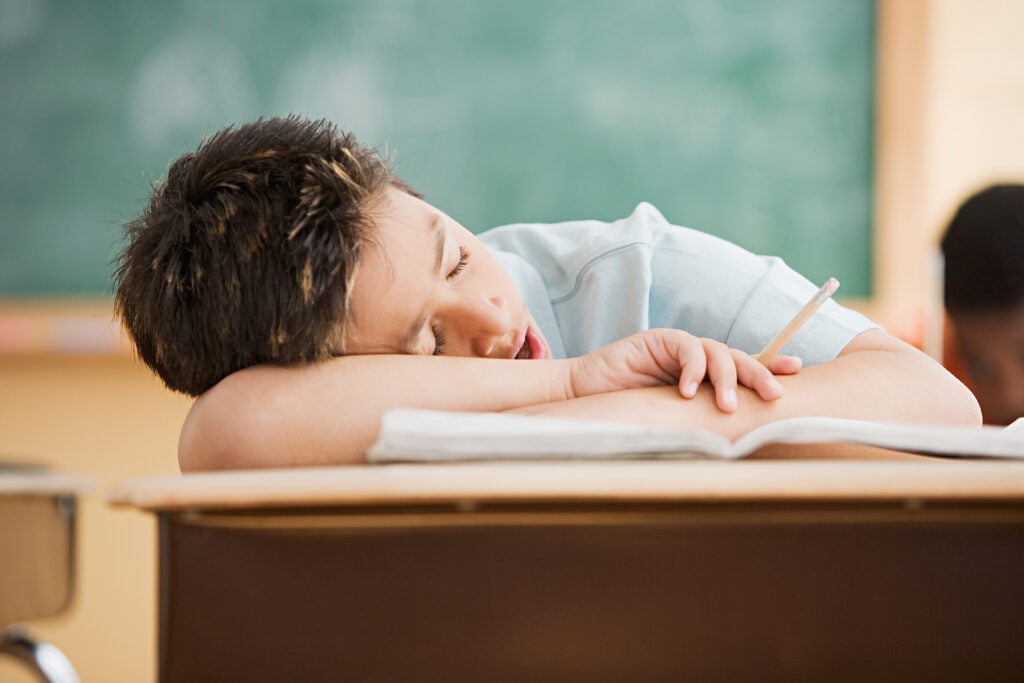
Yes, children can also suffer from sleep apnea, though it’s often underdiagnosed. Common symptoms in children include:
- Snoring
- Mouth breathing
- Difficulty focusing in school
- Poor growth or development
- Bedwetting
Don’t Ignore the Snore! Contact Us for Sleep Apnea Treatment
If you think you may have sleep apnea, contact our trained dentists at our Lake Forest office today. Your physical and mental health will thank you for it.